


Destiny: Rising is NetEase’s mobile RPG shooter that throws you into a whole new Destiny Universe. In this game, you embark on an adventurous journey with a collection of Lightbearers, heroes resurrected by the light to fight for humanity.
To clear harder content like raids, PvP, and more, team composition matters as much as individual skill. And in this Destiny: Rising Team Composition Guide, I’ll walk you through what roles to fill, good team comps you can build in the game, and tips to squeeze the most out of your roster. If you’re new, this will save you time and make your squad far more effective.
Also, feel free to check out our Weapons Tier List and Guardian Tier List to help you pick what Guardians you should aim for. And our Customer Support guide is also here if you need any help. Our Beginners Guide and Reroll Guide are also available for a great start in Destiny: Rising. And check out our Redeem Codes article for freebies.
How team roles work in Destiny: Rising
Unlike some games where you pick a class, in Destiny: Rising, each Lightbearer comes with a fixed role, which is Offense, Defense, or Support, plus their elements Solar, Arc, or Void. These define what the hero is good at and how they fit into your team.
Offense heroes deal damage, often with burst or AoE, while Defense heroes soak damage, control space, or protect allies, and Support heroes buff and heal the rest of your team. You also have Combat Styles, namely Close, Medium, and Long range Combat Styles, tied to Lightbearers.

For example, some Lightbearers are much better at close-quarters rushes and they use shotguns and SMGs, while others shine at range with snipers. So matching a Lightbearer’s Combat Style with the right challenges changes how effective they’ll be.
Your Lightbearers elements also matter when building a team. For example, Solar tends toward AoE damage and aggressive attacks, Arc gives you speed, stun, and utility, while Void leans into crowd control or debuffs. This is important because players need to understand how mixing elements helps them deal with enemies that have elemental shields or weaknesses.
Examples of Team Composition in Destiny: Rising
1. Balanced Raid Squad (Jolder + Tan-2 + Wolf)
A strong all-rounder team for PvE raids combines Jolder, Tan-2, and Wolf. In this comp, Jolder serves as your frontline, providing shields and damage mitigation that allow the rest of your squad to operate safely during boss encounters. Tan-2, on the other hand, adds invaluable support with his healing and buffs, keeping Jolder alive while also boosting Wolf’s damage output.

Finally, Wolf rounds out the team with explosive DPS, capable of cutting through enemy waves or focusing down a raid boss during crucial phases. Together, these three offer a perfect mix of survivability, sustain, and damage, making them an ideal choice for tackling raid content.
2. Early-Game Free-to-Play Squad (Kabr + Ikora + Wolf)
For players still building their roster, a budget-friendly but reliable team is Kabr, Wolf, and Ikora. And to kick off the defense, Kabr provides much-needed shields, soaking up damage and giving your squad breathing room during tougher missions.

While Wolf steps in as the team’s consistent source of DPS, delivering strong single-target attacks that cut down enemies quickly while also offering enough utility to stay relevant in longer fights. Meanwhile, Ikora complements Wolf by bringing ranged and AoE damage, helping the team clear groups of enemies while still dishing out burst against tougher elites.
This trio may not have the endless sustain of more advanced lineups, but it’s resource-friendly, dependable, and more than capable of carrying you through the early stages of Destiny: Rising without requiring heavy investment.
3. PvP Objective-Control Squad (Jolder + Tan-2 + Gwynn)
When it comes to PvP encounters, a mix of defense, support, and damage is what you need to overcome other players. And a strong competitive lineup is Jolder, Tan-2, and Gwynn. Jolder once again acts as the backbone, standing at the frontlines to absorb incoming damage while also providing cover for the team.
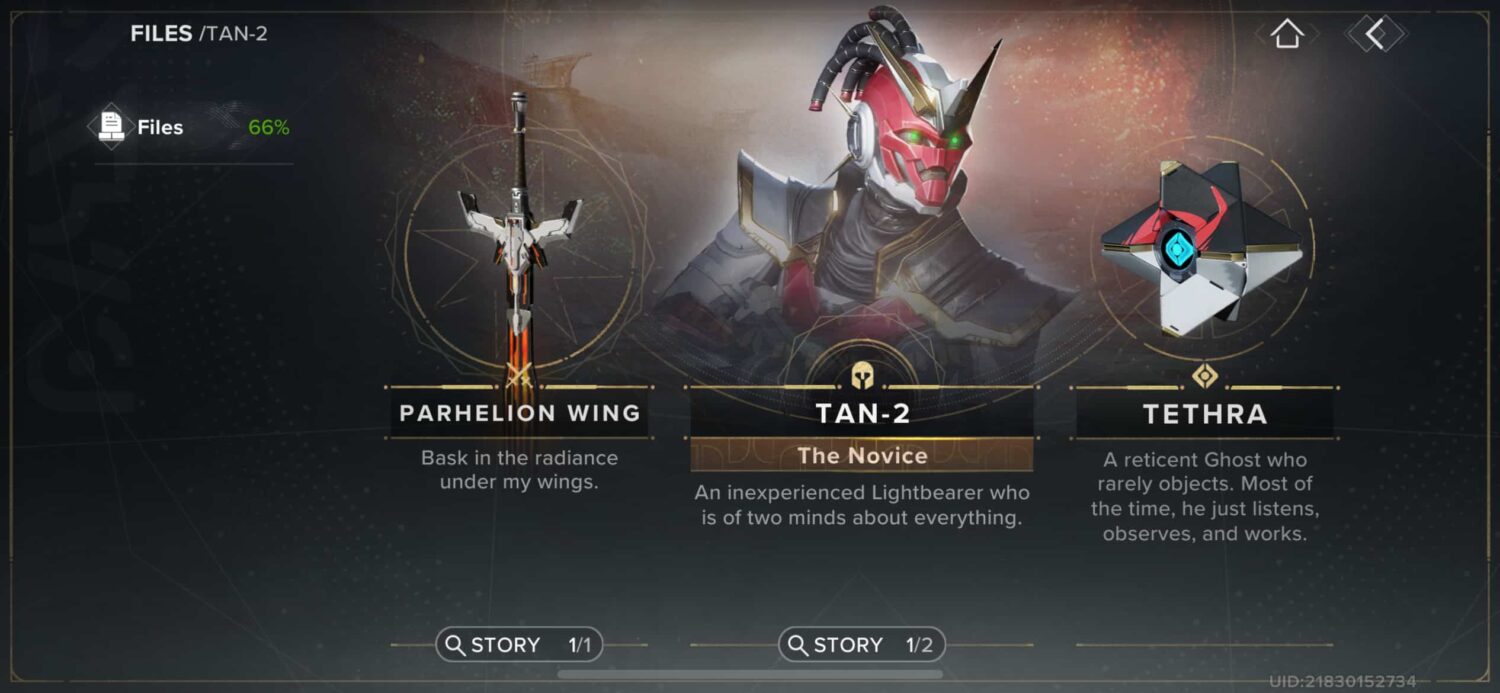
Tan-2 plays a versatile role here, switching between providing long-range fire when your team is under pressure and buffing Gwynn to maximize offensive pushes. And Gwynn thrives in this setup, using her close-quarters combat abilities and explosive burst to break enemy lines or secure kills when your team makes a push. This trio excels at holding objectives and punishing enemies that charge in recklessly in PvP scenarios.
Final Thoughts
Team composition in Destiny: Rising isn’t just about using the strongest Lightbearer. You need to understand the importance of building roles, covering elements, and playing to the strengths of your Lightbearers with synergy in mind. So take your time to understand these aspects and feel free to experiment.
Read our other guides:
- Destiny: Rising Best Settings and Sensitivity Guide
- How to level up quickly in Destiny: Rising
- Destiny: Rising Weapon Tier List
- Destiny: Rising Reroll Guide and Tips
That’s all for our Destiny: Rising Team Composition Guide! Did you find our Destiny: Rising Team Composition Guide useful? Let us know in the comments below!
For more Mobile Gaming news and updates, join our WhatsApp Group, Telegram Group, or Discord server. Also, follow us on Instagram, Twitter, and Google News for quick updates.
